
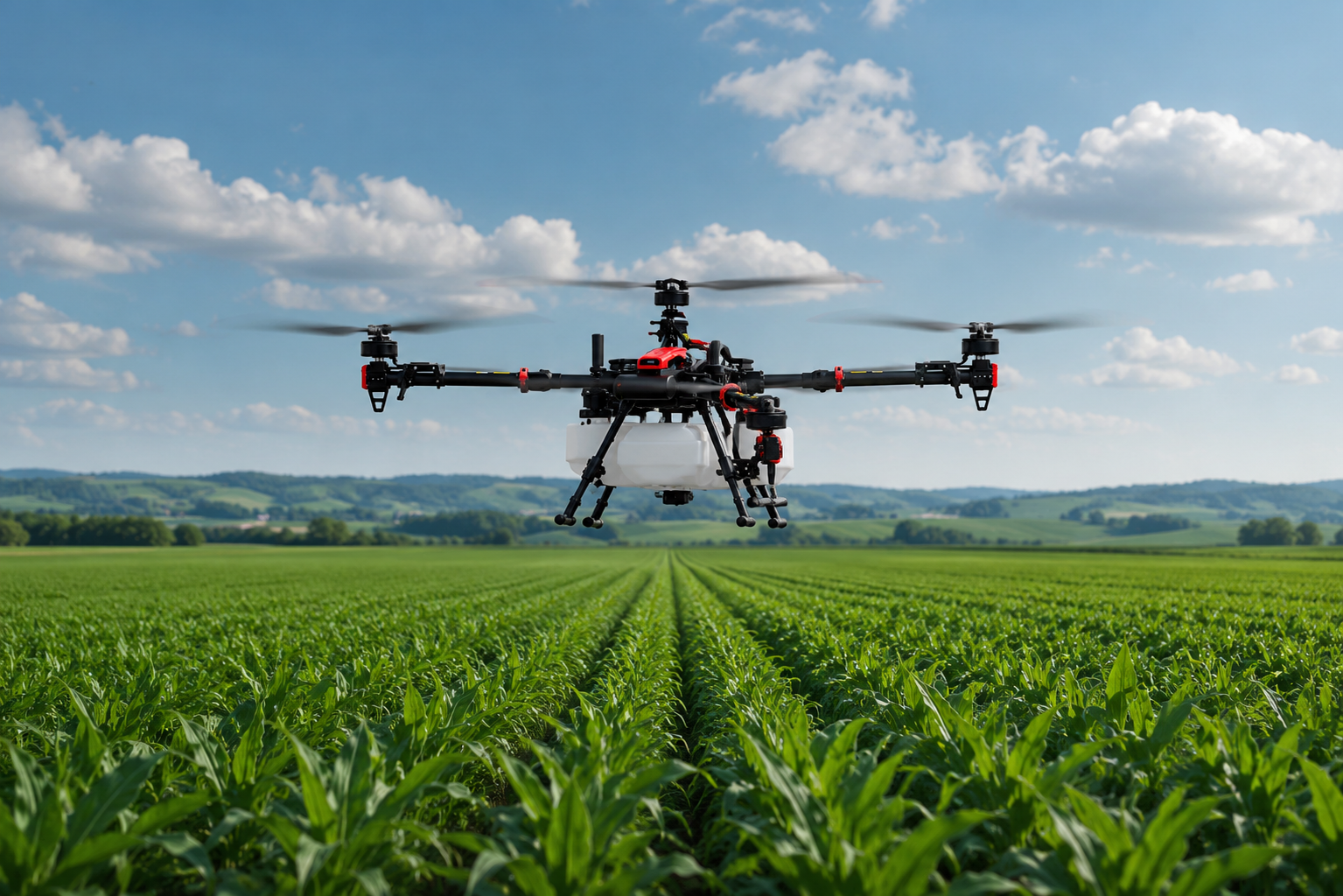
FAA Part 137 Guide 

What Agricultural Drone Operators Should Know 

As agricultural drones continue to transform modern farming, understanding the regulatory environment has become an important part of successful technology adoption.

FAA Part 137 is one of the key regulations governing aerial application operations in the United States. While originally developed for traditional agricultural aviation, it now also applies to many commercial agricultural drone operations involving the aerial application of crop protection products and other agricultural materials.

This guide provides a general overview of FAA Part 137, explains why it matters for agricultural drone operations, and highlights its role within the broader U.S. agricultural robotics ecosystem.

What Is FAA Part 137? 

FAA Part 137 is a section of the Federal Aviation Regulations that governs Agricultural Aircraft Operations. 

It establishes the operational framework for conducting aerial application activities, including the dispensing of agricultural products such as crop protection chemicals, fertilizers, biological products, and certain seed treatments.

Although the regulation was originally written for manned agricultural aircraft, it has become an essential part of commercial agricultural drone operations performing aerial application.

When Is FAA Part 137 Typically Required?

In many commercial agricultural drone operations, FAA Part 137 authorization may be required whenever an unmanned aircraft is used to dispense materials over agricultural land. 

Common examples include:

Crop protection applications

Fertilizer application

Biological crop treatments 

Seed application 

Operational requirements may vary depending on the specific mission, aircraft configuration, and applicable federal or state regulations.
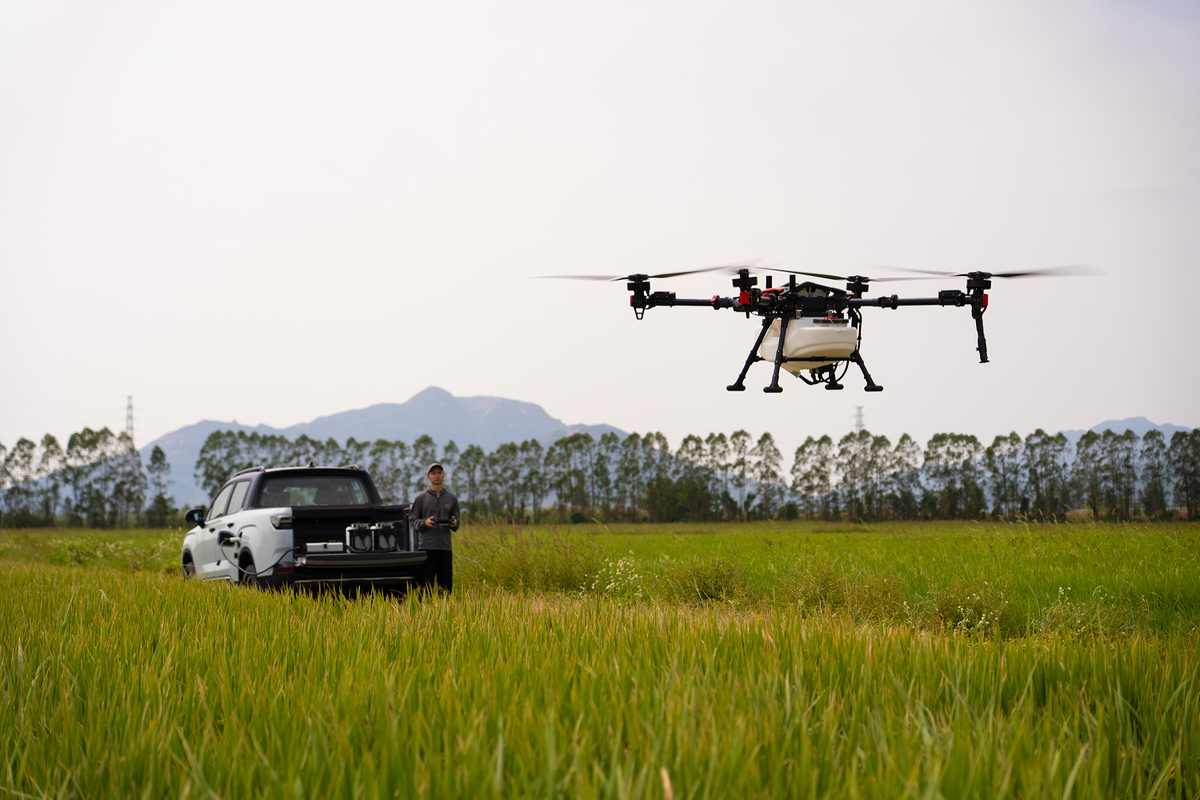
FAA Part 107 vs. FAA Part 137 

These regulations serve different purposes and often work together.

FAA Part 107 establishes the general operating rules for small unmanned aircraft systems, including pilot certification, flight limitations, and operational safety.

FAA Part 137 governs commercial agricultural aerial application activities involving the dispensing of materials from an aircraft.

For many agricultural drone operations, compliance with Part 107 alone is not sufficient when conducting commercial aerial application.

Why It Matters 

Agricultural drones represent much more than a new type of aircraft — they introduce an entirely different operational model for precision agriculture. Understanding the applicable regulatory framework helps operators better plan field operations, evaluate equipment requirements, improve operational readiness, and build reliable long-term business practices. As agricultural robotics continues to expand across the United States, regulatory awareness becomes an important part of successful technology adoption.

Beyond Technology 

Agricultural drones represent much more than a new type of aircraft — they introduce an entirely different operational model for precision agriculture. Understanding the applicable regulatory framework helps operators better plan field operations, evaluate equipment requirements, improve operational readiness, and build reliable long-term business practices. As agricultural robotics continues to expand across the United States, regulatory awareness becomes an important part of successful technology adoption.

Understanding the Regulatory Landscape 

Agrifuture specializes in the practical integration of agricultural robotics into farming operations across the United States.
While regulatory approvals remain the responsibility of operators and the appropriate authorities, understanding the regulatory environment is an essential part of successfully deploying autonomous technologies.
For this reason, Agrifuture shares educational resources designed to help farmers, dealers, service providers, and agricultural professionals better understand the evolving landscape surrounding agricultural drone operations.
Our goal is to make complex industry topics easier to understand, helping customers make informed decisions as agricultural robotics becomes an increasingly important part of modern farming.

Official FAA Resources 

For the most current information, always refer to official FAA publications and guidance.

FAA Agricultural Aircraft Operations (Part 137) 

FAA Agricultural Aircraft Operations (Part 137) 

FAA Part 107 Small UAS Rule 

FAA Part 107 Small UAS Rule 

FAA DroneZone 

FAA DroneZone 

FAA UAS Resources & Guidance 

FAA UAS Resources & Guidance